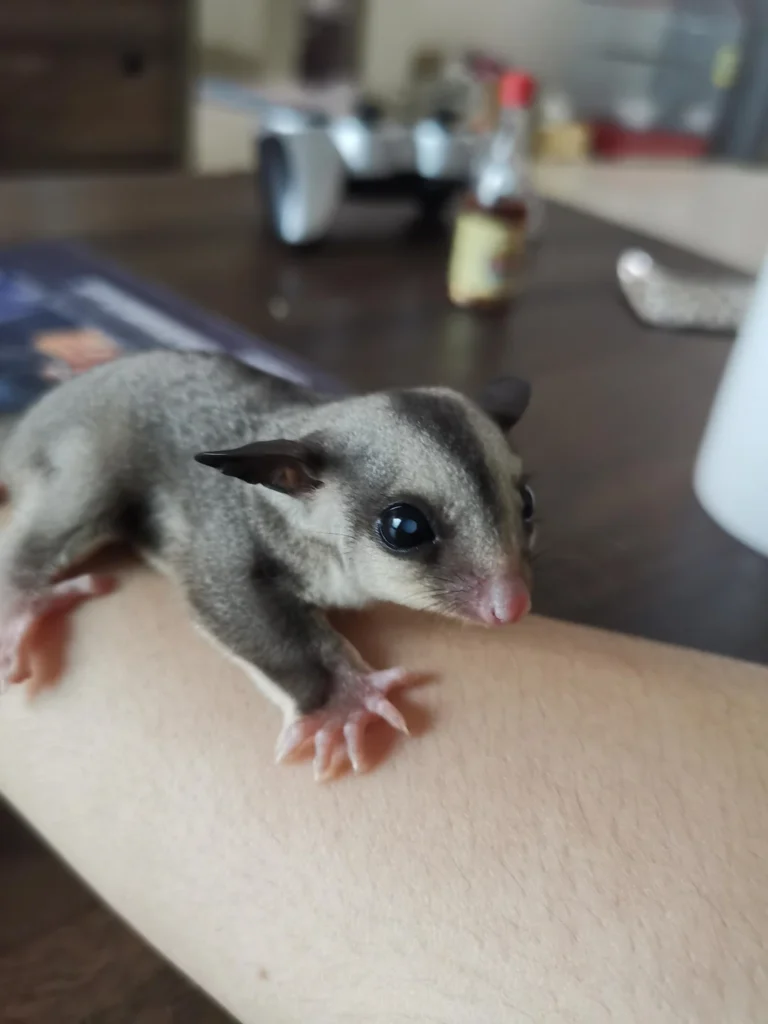
When you notice a white spot in your sugar glider’s eye, especially when it appears in both eyes but larger in one, it can be concerning—and it’s important to know that eye changes in sugar gliders usually signal an underlying issue that needs attention. While I cannot diagnose your pet, I can explain the most common reasons white spots appear and why prompt veterinary care is important.
One possibility is cataracts, which look like cloudy or white patches inside the eye. Cataracts can develop in one or both eyes and may grow at different speeds, which could explain why one spot appears larger. Cataracts often come from genetics, aging, or nutritional deficiencies—especially low levels of vitamin A or protein. In many cases, sugar gliders with cataracts can still live comfortably, but a vet should confirm the cause.
Another potential cause is a corneal injury, such as a scratch or trauma. Sugar gliders are active, fast-moving animals, and they can injure their eyes on cage bars, sharp toys, or even rough play with other gliders. A corneal ulcer or scratch usually looks like a cloudy or whitish spot on the surface of the eye. Injuries like this often cause discomfort, and you may notice your glider blinking more, rubbing its eyes, or showing sensitivity to light.
Infections, including bacterial or fungal eye infections, can also create white or milky spots. These infections sometimes come with other symptoms such as redness, swelling, discharge, or the eye appearing watery. Eye infections can worsen quickly if untreated, so early care is important.
A less common but possible cause is a calcium or metabolic imbalance, which can affect the clarity of the lens and cornea. Poor diet—especially diets lacking in essential nutrients—can lead to various eye and health problems in sugar gliders. Since they rely on a balanced mix of protein, nectar-based foods, insects, and fruits, improper nutrition might show up in their eyes before other symptoms appear.
No matter the cause, any visible eye change—especially in both eyes—should be taken seriously. Eye issues in sugar gliders can progress quickly, and early treatment makes a big difference. The safest step is to take your sugar glider to an exotic pet veterinarian as soon as possible so they can examine the eyes with proper equipment.
In the meantime, avoid bright lights, keep the cage clean, and make sure your glider is not rubbing its eyes on rough surfaces. Getting a professional exam is the best way to protect your sugar glider’s long-term vision and comfort.