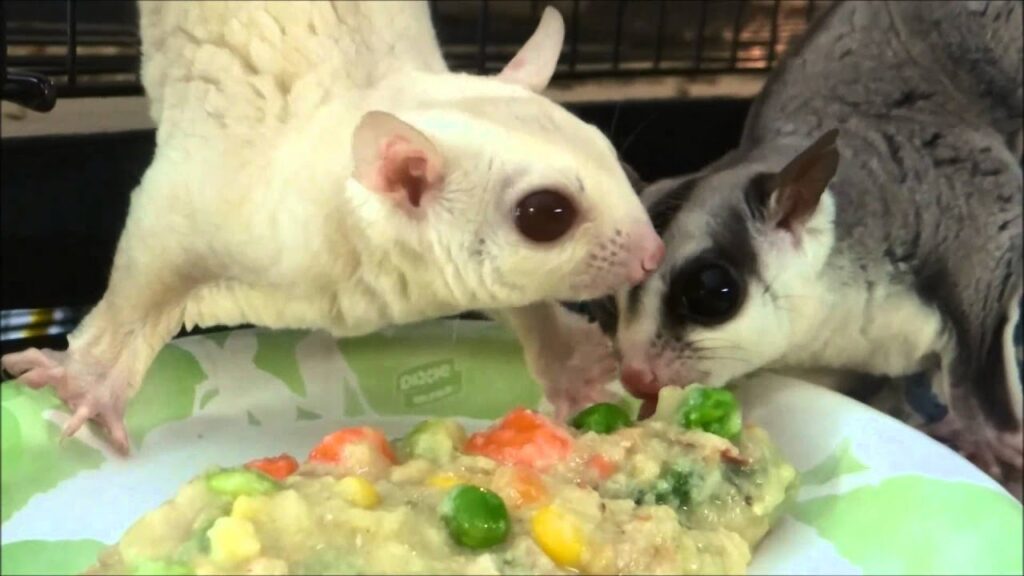
Sugar gliders are fascinating little marsupials with a diet as unique as their gliding ability. In the wild, their meals are a mix of natural delicacies found in trees and forests. These tiny creatures are omnivorous, meaning they eat both plant-based and animal-based foods. Their natural diet includes nectar, pollen, fruits, tree sap, and small insects like crickets, moths, and beetles. This combination gives them the balance of sweetness, protein, and nutrients they need to stay healthy and active.
Tree sap, especially from eucalyptus and acacia trees, is one of their favorite foods. Sugar gliders use their sharp lower teeth to scrape the bark and lick the sweet sap that flows out. This sugary treat not only gives them energy but also provides essential minerals. At night, they often leap from branch to branch searching for sap or nectar, using their excellent sense of smell to locate the best sources.
In captivity, a sugar glider’s diet should mimic their natural feeding habits as closely as possible. Owners can provide a balanced mix of fruits such as apples, melons, grapes, papayas, and berries. However, fruits should only make up a portion of their diet because too much sugar can cause obesity and health problems. Protein is another crucial element — cooked eggs, mealworms, crickets, and boiled chicken are great choices. Some owners also use special sugar glider pellets or formulated diets made to meet their nutritional needs.
A well-fed sugar glider requires calcium and vitamins to keep its bones strong and its fur shiny. To prevent deficiencies, calcium powder is often sprinkled over their food a few times a week. Fresh water must always be available, though many gliders get most of their moisture from juicy fruits and nectar.
It’s important to note that not all human foods are safe for sugar gliders. Chocolate, onions, garlic, and processed snacks can be harmful or even fatal. Their small bodies are sensitive, and even tiny amounts of toxic food can cause serious illness.
Feeding time is also a moment for bonding. Many owners enjoy hand-feeding their gliders pieces of fruit or live insects, helping to strengthen trust and affection. A healthy, varied diet keeps sugar gliders energetic, curious, and full of life — ready to glide and explore with endless enthusiasm every night.