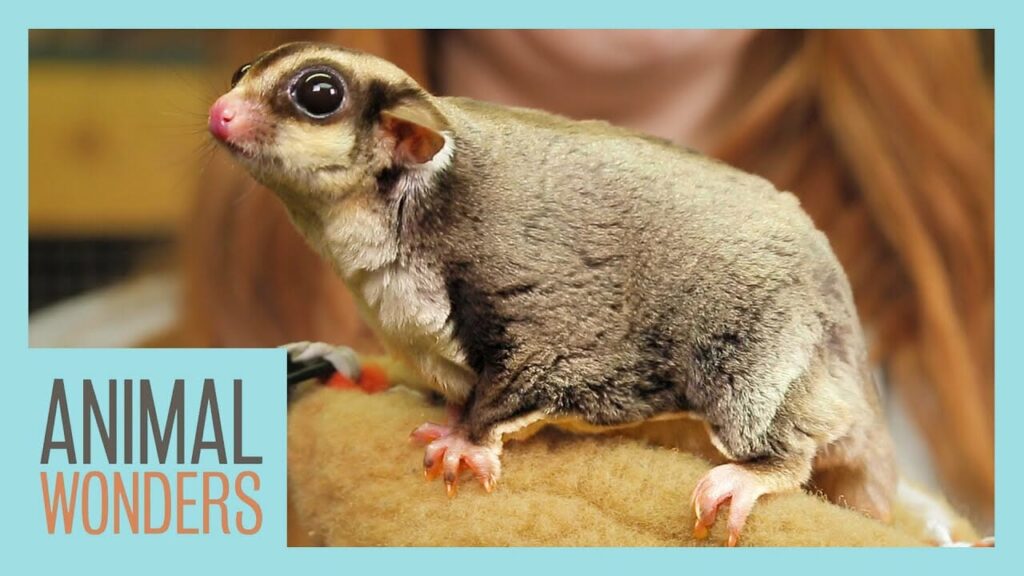
Sugar gliders are small, fascinating marsupials known for their gentle personalities, big eyes, and the unique ability to glide through the air. Originally from Australia, Indonesia, and Papua New Guinea, these tiny creatures have become increasingly popular as exotic pets. Their name comes from two special traits: their love for sweet foods and their natural ability to glide using a thin membrane of skin called the patagium, which stretches from their wrists to their ankles. This gliding membrane allows them to leap from tree to tree, covering distances of up to 150 feet in the wild. It helps them avoid predators, search for food, and move effortlessly through the forest canopy.
One of the most interesting sugar glider facts is that they are nocturnal animals. They sleep during the day and become active at night, searching for food and interacting with their colony. Their big, round eyes help them see in low light, making nighttime adventures easier. In the wild, sugar gliders live in groups of up to seven or more, forming strong social bonds. Because of this natural instinct, they do best when kept in pairs or groups in captivity. Lonely sugar gliders can become stressed or depressed, so companionship is essential for their well-being.
Sugar gliders are marsupials, meaning mothers carry and nurse their newborns in a pouch, just like kangaroos. A baby sugar glider, called a joey, is born tiny and underdeveloped. It climbs into the mom’s pouch to continue growing for about two months. Once it leaves the pouch, it will stay close to its parents for several more weeks until fully ready to explore on its own.
Their diet is another important aspect of their care. In the wild, sugar gliders eat nectar, tree sap, insects, fruit, and sometimes small vertebrates. As pets, they need a balanced diet that mimics this variety, including proteins, fruits, and a special nectar-like formula. Proper nutrition keeps their energy levels stable and supports their overall health.
Sugar gliders communicate through a variety of sounds, including chirps, barks, and soft crackling noises. These sounds help them express excitement, call to their group, or signal discomfort. Their playful behaviors, such as jumping, gliding, and exploring, make them incredibly entertaining animals. However, they also require patience and consistent bonding time with their owners. When treated gently and given proper care, sugar gliders can live up to 10–15 years in captivity, becoming loving, loyal companions.
These unique animals combine beauty, intelligence, and charm, making them truly special creatures worth learning about and appreciating.