
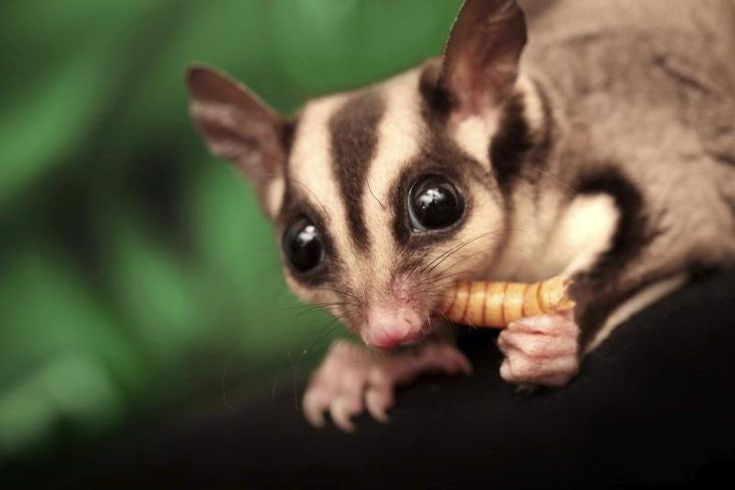
Sugar gliders may look tiny and cute, but their diet is surprisingly complex. These little marsupials, native to Australia, Indonesia, and Papua New Guinea, have very specific nutritional needs that keep them healthy and active. In the wild, sugar gliders eat a variety of foods such as nectar, tree sap, fruits, insects, and even small vertebrates. To care for them properly in captivity, it’s important to mimic that natural balance as closely as possible.
A healthy sugar glider diet should include three key components: protein, fruits and vegetables, and a source of calcium. Protein is vital because gliders are omnivorous and need energy for their active, gliding lifestyle. Good protein options include boiled eggs, cooked chicken breast, mealworms, crickets, silkworm pupae, and even a small portion of specially formulated sugar glider pellets. However, it’s essential to avoid fried, seasoned, or processed foods — their tiny digestive systems can’t handle them.
Next comes fruits and vegetables, which provide natural sugars, vitamins, and fiber. Sugar gliders love sweet fruits like apples, grapes, pears, papaya, and melon. Tropical fruits like mango and dragon fruit can also be given as occasional treats. For vegetables, you can serve carrots, sweet potatoes, peas, and corn in moderation. Remember, balance is key — too much fruit sugar can lead to obesity and health problems.
Another important part of their diet is nectar or sap-based supplements, which imitate the natural tree gum and flower nectar they eat in the wild. You can use commercial nectar mixes made specifically for sugar gliders or prepare a homemade blend with honey, warm water, and vitamin supplements. Some owners also use eucalyptus branches or acacia gum as enrichment and dietary variety.
Calcium and vitamin balance are crucial. Sugar gliders are prone to metabolic bone disease if their calcium-to-phosphorus ratio is off. To prevent this, include calcium-rich foods or sprinkle a calcium supplement over their meals a few times per week.
Finally, always provide fresh, clean water in a shallow dish or bottle. Avoid giving dairy, chocolate, onions, garlic, or anything high in fat or caffeine — these are toxic to them.
Feeding sugar gliders might seem like a science, but once you understand their needs, it becomes a fun and loving routine. With the right mix of protein, fruits, and natural sweetness, your sugar glider will stay energetic, healthy, and full of life every day.